These books are the fruits of many years of art historical research, travel and collaboration. I wrote, edited and translated all of the content of these volumes.
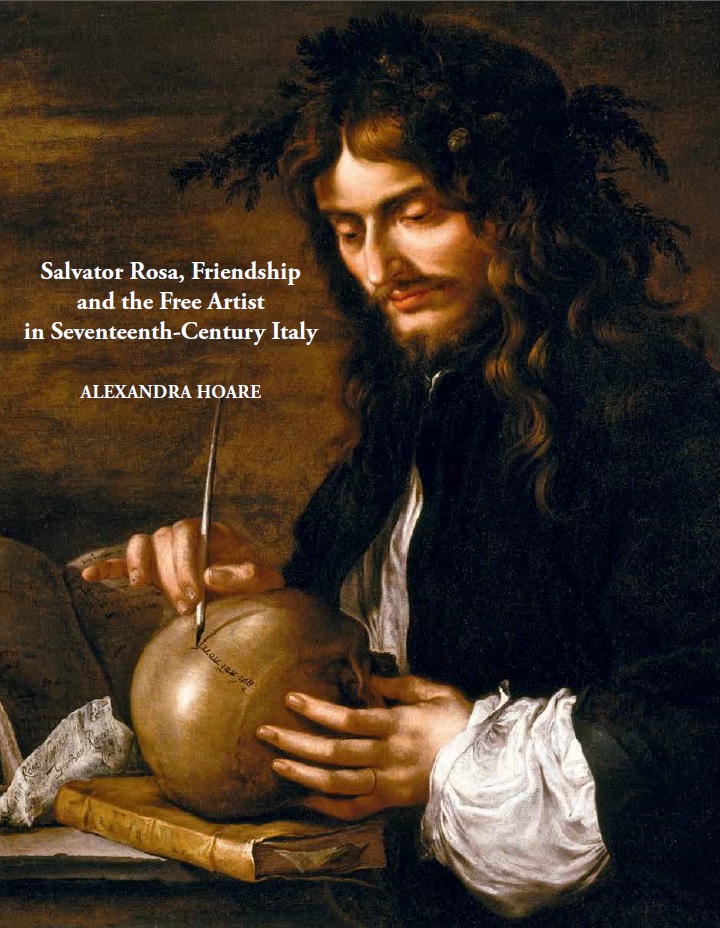
The first book is about the key role that friendship played in the life of Salvator Rosa, a 17th-century painter, printmaker and actor whose fascinating life and career unfolded in Naples, Florence and Rome. Friendship was a big deal in early modern Italy, especially in the competitive and high-stakes profession of art.
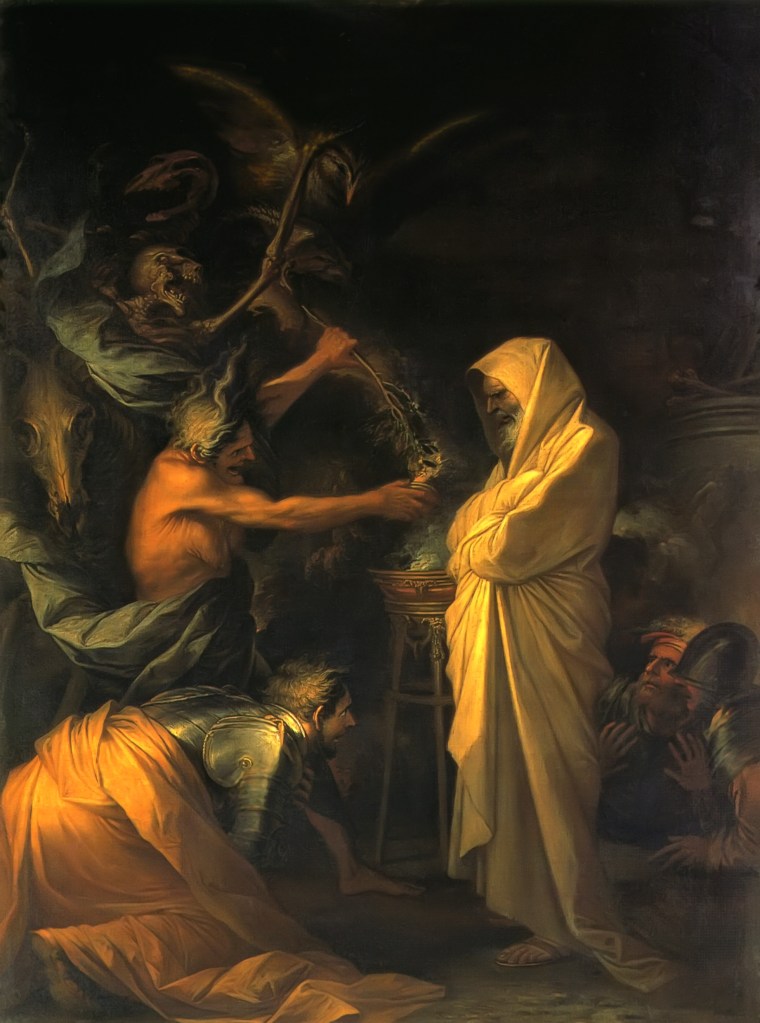
Rosa diversified in order to help address this: not just a painter (of weird and wonderful things like witches, dragons, battle scenes and wild landscapes), he was also a printmaker (and made some cash with this on the side), a poet (mainly to vent his controversial opinions about current events) and an actor (a great way to get attention!). Friendships, which were all about levelling the playing field, were essential to navigating the challenging times in which Rosa lived.
The second book is a two-volume translation and critical edition of Rosa’s more than 400 surviving letters. Most are private letters to friends. They offer a fascinating glimpse into his life and experiences but also a vivid sense of what it was like to live in 17th-century Italy.
Rosa holds nothing back: the letters are filled with deeply personal stories, hilarious anecdotes, dirty jokes and constant complaints about his lot in life. He actually did very well for himself, but not as well as his great rival Gian Lorenzo Bernini, who (unfortunately for Rosa) had a much more popular, widespread and enduring fame and left a more indelible imprint on pop culture.
My books are part of an attempt to rebalance that legacy.
Here’s a kind review of my books by art historian Genevieve Warwick.
Select the buttons below for copies of sections of the books.
(Chapter Four of the friendship volume is about the incredible self-portrait that’s now in the Metropolitan Museum of Art, New York, and features on the book’s cover – see above, far left.)
 Alexandra Hoare